
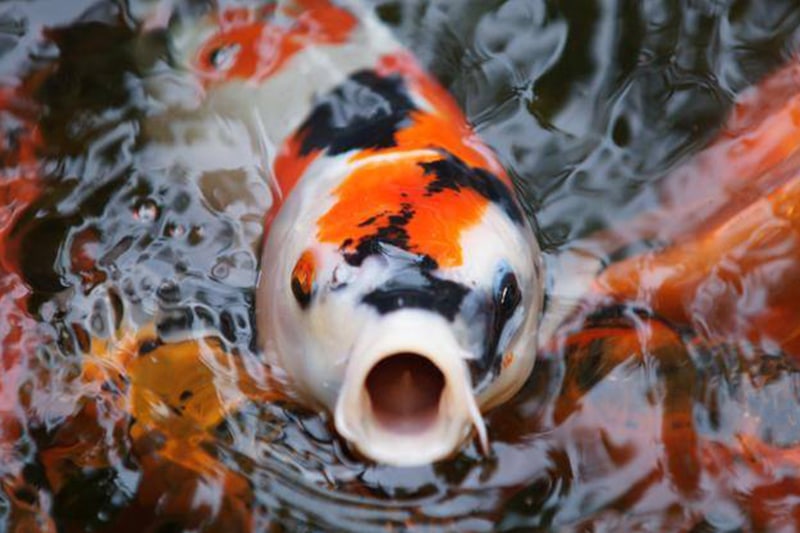
If you’ve ever watched koi glide through crystal-clear water on a crisp Colorado morning, you know there’s something almost meditative about it. But here’s what most Denver homeowners don’t realize until they’re knee-deep in pond ownership: keeping that water pristine at 5,280 feet elevation is a whole different ballgame than it is at sea level.
We’ve been designing and installing koi ponds across metro Denver for over 30 years at Art of the Yard, and we’ve learned firsthand that the filtration system makes or breaks a pond in our unique climate. The intense UV exposure, dramatic temperature swings, and thin air all conspire against standard filtration setups. That’s why we start every pond project with upgraded filtration systems, because cutting corners here means cutting the lifespan of your pond (and your fish).
In this guide, we’re breaking down the best koi pond filtration systems specifically suited for Denver yards. Whether you’re building a new pond or upgrading an existing one that’s struggling, you’ll find practical insights drawn from decades of local experience.
Why Denver’s Climate Demands Specialized Filtration
Denver’s climate throws curveballs that pond owners in more moderate regions simply don’t face. Let’s start with the obvious: we’re a mile high. That thinner atmosphere means more intense ultraviolet radiation hitting your pond surface, which accelerates algae growth during our sunny summers. Standard filtration that works fine in Ohio or Virginia often can’t keep up here.
Then there’s the temperature roller coaster. It’s not unusual to see 50-degree temperature swings within a 24-hour period, especially in spring and fall. These rapid fluctuations stress beneficial bacteria colonies in biological filters, sometimes killing them off entirely. When that happens, ammonia and nitrite levels spike, and your koi suffer.
Our semi-arid climate presents another challenge: evaporation. Denver ponds can lose an inch or more of water per week during hot, dry stretches. As water evaporates, dissolved minerals concentrate, affecting pH and overall water chemistry. Your filtration system needs to handle these fluctuations without constant babysitting.
Winter brings its own complications. While Denver winters are relatively mild compared to the Midwest, we still experience freeze-thaw cycles that can damage equipment not designed for altitude conditions. And our occasional arctic blasts, those sudden drops to single digits, require filtration systems that either shut down gracefully or continue operating without cracking.
The bottom line? A filtration system that’s “good enough” elsewhere often fails miserably in Denver. We’ve seen countless homeowners waste money on undersized or inappropriate systems, only to call us for pond renovations a year or two later.
Types of Koi Pond Filtration Systems
Understanding your options is the first step toward choosing the right filtration setup. Most effective systems combine multiple filtration types, but let’s break down the main categories.
Mechanical Filtration Options
Mechanical filtration physically removes debris, waste, and particles from your pond water. Think of it as the first line of defense, catching the big stuff before it breaks down and fouls your water.
Skimmers sit at the water’s surface and pull in floating debris like leaves, pollen, and dust. In Denver, where cottonwood season can blanket your yard in white fluff, a quality skimmer is non-negotiable. We recommend models with large debris baskets and adjustable flow rates.
Bottom drains work from the opposite end, pulling settled waste from the pond floor toward your filter. They’re especially valuable for koi ponds since koi are bottom feeders that stir up sediment constantly. A well-placed bottom drain can reduce maintenance significantly.
Bead filters use thousands of plastic beads to trap fine particles. They’re compact, efficient, and backwash easily, making them popular for Denver installations where space might be limited. But, they require regular backwashing (typically weekly) to maintain performance.
Drum filters represent the premium end of mechanical filtration. These self-cleaning units use a rotating screen to filter water continuously, automatically flushing captured debris to waste. While more expensive upfront, they dramatically reduce hands-on maintenance.
Biological Filtration Options
Biological filtration is where the real magic happens. Beneficial bacteria colonize filter media and convert toxic ammonia (from fish waste) into nitrite, then into relatively harmless nitrate. Without robust biological filtration, even the cleanest-looking pond can be deadly to fish.
Moving bed biofilters use small plastic media that tumbles constantly in aerated water. This movement prevents clogging and maximizes bacteria contact with waste. They’re particularly well-suited to Denver’s variable temperatures because the constant motion helps maintain bacterial activity even during cooler periods.
Static media filters rely on high-surface-area materials like lava rock, bio-balls, or matala mats. Water flows through the media, contacting bacteria colonies along the way. These systems are reliable and relatively affordable, though they require periodic cleaning to prevent channeling.
Bog filters (also called wetland filters) use aquatic plants to absorb nitrates while gravel beds support bacterial colonies. They’re attractive, natural-looking, and surprisingly effective, though they do require more space and go dormant during winter.
Pressurized biofilters combine biological and mechanical filtration in a sealed canister. They’re easy to install and can be buried out of sight. For smaller Denver ponds (under 2,000 gallons), these can be a practical all-in-one solution.
Top Filtration Systems for Denver Conditions
After decades of installing and maintaining koi ponds throughout metro Denver, we’ve identified several filtration approaches that consistently perform well in our challenging environment.
Combination gravity-fed systems remain our go-to recommendation for most residential installations. These setups pair a bottom drain and skimmer with a multi-chamber filter that handles both mechanical and biological filtration. Water flows by gravity into the filter chambers, then gets pumped back to the pond. Because the pump sits after the filter, debris doesn’t damage the impeller, extending equipment life significantly.
Nexus-style bead filters have proven remarkably reliable at altitude. Their compact design fits well in Denver’s often-smaller urban yards, and their efficient backwash system conserves water, important given our periodic drought restrictions. We’ve installed these on ponds ranging from 1,500 to 10,000 gallons with excellent results.
Bakki shower filters, originally developed in Japan, have gained popularity among serious koi keepers here. Water cascades over stacked trays of ceramic media, maximizing oxygen contact while providing biological filtration. The high oxygen levels help beneficial bacteria thrive even though our thin air. They’re not cheap, but for heavily stocked ponds or show-quality koi, they’re hard to beat.
For larger installations or commercial properties, drum filter systems paired with dedicated moving bed biofilters offer the lowest maintenance and most consistent water quality. We’ve installed these combinations at several Denver-area businesses and they practically run themselves.
UV clarifiers deserve special mention. While not technically filtration, adding UV sterilization to any system helps control the aggressive algae growth Denver’s intense sunlight promotes. We consider them essential rather than optional for local ponds.
Sizing Your Filtration System Correctly
Here’s where many DIY pond builders go wrong: they size their filtration for “average” conditions rather than worst-case scenarios. In Denver, you need to build in extra capacity.
The standard rule of thumb says your filter should handle your total pond volume at least once per hour. So a 3,000-gallon pond needs a pump and filter rated for 3,000 gallons per hour minimum. But for Denver? We recommend sizing up by at least 25-50%.
Why oversized? Several reasons. First, our intense summer sun drives algae growth that would overwhelm marginal systems. Second, heavy koi stocking, which Denver pond owners tend toward because koi are the whole point, produces more waste than casual goldfish ponds. Third, the altitude-related challenges we discussed earlier mean your biological filtration operates at reduced efficiency compared to sea level.
Consider your fish load carefully. A lightly stocked pond (one inch of fish per 10 gallons) can get by with smaller filtration. But most koi enthusiasts eventually end up with more fish than they planned, those babies grow up, and that “last” koi at the pond store was just too beautiful to resist. Plan for where you’ll realistically end up, not where you’re starting.
Don’t forget about pump head pressure. Many Denver properties have elevation changes that require pumping water uphill to waterfalls or stream features. Every foot of lift reduces effective flow rate. Factor this into your calculations or you’ll end up with disappointing flow.
When in doubt, go bigger. An oversized filter won’t hurt anything, and you’ll thank yourself during that first brutal August heat wave when your neighbor’s undersized pond turns green overnight.
Installation Tips for High-Altitude Environments
Proper installation makes the difference between a filtration system that thrives and one that constantly disappoints. We’ve learned a few things over 30+ years of building ponds across metro Denver.
Protect equipment from freeze-thaw cycles. Even though Denver winters are relatively mild, nighttime temperatures regularly dip below freezing from November through March. Bury plumbing lines below the frost line (about 30 inches in most of Denver) or insulate exposed pipes thoroughly. Install union fittings near equipment so you can disconnect and drain components if needed.
Account for UV degradation. That beautiful Colorado sunshine breaks down plastic and rubber faster than you’d expect. Choose UV-stabilized components whenever possible, and consider shading exposed equipment with a small structure or plantings. We’ve seen filter housings crack and tubing become brittle within just 2-3 years when left in direct sun.
Plan for water conservation. During drought years, Denver often implements watering restrictions. Design your system with efficient backwash that minimizes water waste, and consider where backwash water can be directed for landscape irrigation rather than down the drain.
Ensure adequate aeration. Air holds less dissolved oxygen at altitude, and your beneficial bacteria need oxygen to function. We typically recommend supplemental aeration, whether through air stones, venturi injectors, or waterfall features, beyond what might be standard for sea-level installations.
Position equipment accessibly. Denver’s variable weather means you’ll occasionally need to access your filtration system in less-than-ideal conditions. Don’t bury your filter in a location that requires trudging through mud or snow to reach. You’ll skip maintenance tasks when they’re inconvenient, and your pond will suffer.
Consider electricity carefully. Quality filtration systems run 24/7, and pumps consume meaningful electricity. Size your pump appropriately, oversized pumps waste energy, while undersized pumps underperform. Many of our clients have reduced operating costs significantly by switching to variable-speed pumps.
Seasonal Maintenance Considerations
Denver’s four distinct seasons each bring specific filtration maintenance requirements. Staying ahead of these seasonal tasks keeps your system running optimally year-round.
Spring (March-May): As temperatures warm and fish become more active, beneficial bacteria populations need time to rebuild after winter dormancy. Feed sparingly at first, excess food becomes waste that can overwhelm a not-yet-robust biological filter. Clean mechanical filtration components that may have accumulated debris over winter, and check UV bulbs (they lose effectiveness over time and should be replaced annually). This is also prime time for system inspections after freeze-thaw cycles.
Summer (June-August): Peak biological activity means peak waste production. Monitor your filter performance closely and increase cleaning frequency as needed. Watch for algae blooms during hot spells, if your water starts turning green even though adequate filtration, consider whether your system is truly sized appropriately. Evaporation accelerates, so top off your pond regularly with dechlorinated water to maintain proper water chemistry.
Fall (September-November): Falling leaves create the biggest mechanical filtration challenge of the year. Empty skimmer baskets frequently, sometimes daily during peak leaf drop. As temperatures decline, gradually reduce feeding and prepare to switch to cold-weather food formulas. Late fall is the time to complete any needed equipment repairs or upgrades before winter sets in.
Winter (December-February): Many Denver koi keepers keep their systems running through winter, albeit with reduced flow. If you choose to shut down, drain pumps and filters completely to prevent freeze damage. Regardless of approach, maintain some surface agitation to allow gas exchange, accumulated gases under ice can harm fish. For those occasional deep freezes, floating heaters or aerators prevent complete freeze-over.
At Art of the Yard, we offer seasonal prep services including winterization for pond owners who prefer professional assistance with these transitions.
Conclusion
Choosing the right koi pond filtration system for your Denver yard isn’t just about buying the most expensive equipment or the biggest pump. It’s about understanding how our unique high-altitude climate affects pond health and selecting components that address those specific challenges.
The best systems combine effective mechanical filtration to handle our intense cottonwood seasons and rapid debris accumulation, robust biological filtration designed to withstand temperature fluctuations, and supplemental UV clarification to combat altitude-boosted algae growth. Size up from standard recommendations, install with freeze protection in mind, and commit to seasonal maintenance that anticipates Denver’s variable conditions.
We’ve transformed countless Denver yards into peaceful koi pond retreats over our 30+ years in business, and proper filtration has been the foundation of every successful project. Whether you’re planning a new installation or struggling with an existing pond that just won’t stay clear, the filtration principles we’ve outlined here will serve you well.
If you’d rather leave the details to experienced professionals, we’re here to help. Art of the Yard provides complete koi pond services in Denver, from design and construction to ongoing maintenance. Every project comes with our workmanship guarantee, and our Master Designer is personally involved in each phase. Contact us today for a consultation, and let us help you create a backyard paradise that you’ll enjoy for years to come.
