
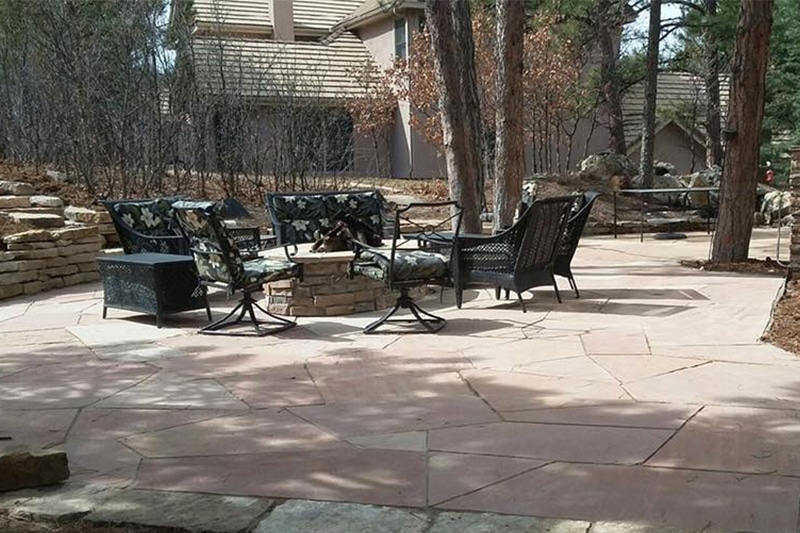
There’s something undeniably magnetic about gathering around a fire pit on a cool Colorado evening. The Rockies fading into twilight, a slight chill in the air, and the warmth of flames bringing everyone a little closer together, it’s the kind of backyard moment that makes Denver living so special.
But before you start planning those fireside gatherings, you’ll need to make a crucial decision: gas or wood? It’s not just a matter of personal preference. Denver’s unique climate, local regulations, and the specific demands of high-altitude living all play a role in determining which fuel type will serve you best. We’ve helped countless homeowners across the metro Denver area navigate this exact choice, and we can tell you, there’s no one-size-fits-all answer.
In this guide, we’ll break down everything you need to know about choosing between gas and wood fire pits in Denver. From regulatory compliance to long-term costs, we’ll give you the information you need to make a confident decision for your outdoor space.
Understanding Denver’s Climate and Fire Pit Regulations
Denver sits at 5,280 feet above sea level, and that elevation affects everything, including how fire behaves. The thinner air means fires burn differently than they do at lower altitudes, and the region’s semi-arid climate creates conditions that demand extra caution.
Our high desert environment brings low humidity for much of the year. Combined with periodic drought conditions and gusty winds, this creates a fire-conscious community for good reason. The Denver Fire Department and surrounding jurisdictions have established specific regulations that homeowners must follow when installing and operating fire pits.
For wood-burning fire pits, most Denver-area municipalities require:
- A minimum distance of 15 to 25 feet from structures, fences, and overhanging branches
- Spark arrestor screens or covers
- Compliance with seasonal burn bans during high fire danger periods
- Notification to local fire authorities in some jurisdictions
Gas fire pits typically face fewer restrictions, but they still require proper installation according to local building codes. Natural gas connections need permits, and propane tanks must meet specific placement and storage requirements.
During red flag warnings and fire ban periods, which have become increasingly common, wood-burning fire pits are completely off-limits. Gas fire pits, but, can often still be used since they produce controlled flames without sparks or embers. This distinction alone makes gas an attractive option for homeowners who want reliable year-round use.
Before installing any fire pit, we always recommend checking with your local jurisdiction and HOA (if applicable) to understand the specific regulations that apply to your property.
Benefits of Gas Fire Pits
Gas fire pits have surged in popularity across Denver neighborhoods, and it’s easy to see why. They offer a blend of convenience, aesthetics, and compliance that appeals to modern homeowners.
Convenience and Control
There’s no denying it, gas fire pits are incredibly easy to use. A simple switch, button, or even smartphone app can ignite the flames instantly. No gathering kindling, no fussing with matches, no waiting for the fire to catch. When the evening ends, you turn it off and walk away.
Flame height and heat output are adjustable on most gas fire pits, giving you precise control over the ambiance. Want a low, romantic glow for a quiet dinner? Done. Need more heat to combat a chilly October evening? Just turn up the dial.
Cleanup is virtually nonexistent. No ash to dispose of, no half-burned logs to deal with, no soot-covered surfaces to wipe down. For busy Denver families juggling work, kids, and weekend adventures, this convenience factor is huge.
Gas fire pits also heat up faster and provide more consistent warmth. The flame pattern remains steady regardless of wind direction, and you won’t be chasing smoke around the seating area all night.
Air Quality Compliance
Denver’s air quality regulations have tightened considerably over the years, and for good reason. The metro area’s geography, nestled against the mountains, can trap pollutants, especially during winter inversions.
Wood smoke contains particulate matter, carbon monoxide, and volatile organic compounds that contribute to poor air quality. During Action Day alerts, wood-burning is prohibited or strongly discouraged throughout the Denver metro area.
Gas fire pits produce significantly fewer emissions. They burn cleaner, generating primarily carbon dioxide and water vapor. This means you can enjoy your fire pit on more days throughout the year without contributing to air quality problems or violating local restrictions.
For homeowners with respiratory sensitivities or neighbors with health concerns, gas fire pits eliminate the smoke that can trigger asthma attacks or other reactions. It’s a more considerate choice for densely populated neighborhoods.
Advantages of Wood-Burning Fire Pits
Even though the convenience of gas, wood-burning fire pits maintain a devoted following, and we completely understand the appeal. There’s something about a real wood fire that gas simply can’t replicate.
Ambiance and Tradition
Let’s be honest: the crackle and pop of burning wood is irreplaceable. That distinctive sound, the dancing flames, the smell of woodsmoke drifting through the air, it triggers something primal. Gas fire pits can be beautiful, but they can’t fully recreate this sensory experience.
For many homeowners, a fire pit isn’t just about warmth. It’s about creating memories. Roasting marshmallows over gas flames works, but it’s not quite the same as toasting them over glowing embers. Teaching kids to build a fire, watching the flames consume a carefully constructed log cabin, these are experiences that connect us to generations past.
Wood fires also produce radiant heat that many people find more satisfying than the heat from gas flames. The coals retain warmth long after the flames die down, extending the usable time around the fire pit.
And there’s something to be said for the ritual of building a fire. Selecting the wood, arranging the kindling, nurturing the flame from spark to roaring blaze, it’s meditative in a way that pushing a button never will be.
Cost and Installation Considerations
From a pure installation standpoint, wood-burning fire pits are typically less expensive. A simple steel fire pit bowl can cost a few hundred dollars and requires no professional installation, gas lines, or permits. For homeowners working with limited budgets, this accessibility is significant.
Even custom-built wood-burning fire pits tend to cost less than their gas counterparts because they don’t require gas line installation, burner systems, or specialized components. The construction is more straightforward, essentially, you need a fireproof container with adequate ventilation.
Wood-burning fire pits also offer flexibility in placement. Without the constraint of gas line access, you can position your fire pit wherever makes the most sense for your landscape design. Want it in a far corner of your yard? No problem. Planning to relocate it next season? Easy enough with a portable model.
Of course, you’ll need a reliable source of firewood. In Colorado, seasoned pine, oak, and fruit woods are popular choices. Many homeowners enjoy sourcing their own wood from local suppliers or even cutting it themselves during forest management seasons.
Comparing Long-Term Costs and Maintenance
When we talk with homeowners about fire pit selection, the upfront cost often dominates the conversation. But the real financial picture emerges over years of ownership.
Initial Investment
Gas fire pits typically require a higher upfront investment. A quality gas fire pit unit runs anywhere from ,000 to ,000 or more, depending on size and features. Add in the cost of running a natural gas line (often $500 to $2,000+ depending on distance from the main line) or purchasing propane tanks, and you’re looking at a significant initial outlay.
Wood-burning fire pits can range from under $200 for a basic portable model to several thousand for a custom-built stone or masonry installation. The absence of fuel line requirements keeps installation costs lower.
Ongoing Fuel Costs
This is where the math gets interesting. Natural gas is relatively inexpensive in Colorado, often costing just a few dollars per hour of operation. Propane runs higher, roughly $20 to $30 to fill a standard 20-pound tank, which provides 8 to 12 hours of use depending on flame height.
Firewood prices vary seasonally and by type. A cord of seasoned hardwood in the Denver area typically runs $250 to $400. How long that lasts depends entirely on how often you use your fire pit and how large you build your fires. For frequent users, wood costs can add up quickly.
Maintenance Requirements
Wood-burning fire pits require regular cleaning. Ash removal, scrubbing away creosote buildup, checking for rust or deterioration, these tasks come with the territory. Metal fire pits may need repainting or replacement every few years due to heat damage and weather exposure.
Gas fire pits need less frequent maintenance, but it’s not zero. Burner ports can become clogged with debris and require cleaning. Gas connections should be inspected annually for leaks. Lava rocks or fire glass may need occasional replacement.
Over a 10-year span, the total cost of ownership often balances out between the two options. Gas costs more upfront but less to operate: wood starts cheaper but accumulates costs through fuel purchases and maintenance time.
Which Fuel Type Works Best for Your Denver Backyard
So which should you choose? The answer depends on your priorities, lifestyle, and how you envision using your outdoor space.
Choose gas if you:
- Value convenience and want instant on/off capability
- Plan to use your fire pit frequently, including during burn ban periods
- Have neighbors nearby and want to minimize smoke
- Prefer low-maintenance outdoor features
- Want precise control over flame height and heat output
- Have respiratory concerns or sensitivities to smoke
Choose wood if you:
- Prioritize the authentic campfire experience
- Enjoy the ritual of building and tending a fire
- Have a flexible budget for ongoing firewood purchases
- Want maximum placement flexibility without gas line constraints
- Use your fire pit occasionally rather than constantly
- Plan to cook or roast marshmallows regularly
Consider a hybrid approach
Some homeowners opt for both, a gas fire table on their main patio for regular use and a wood-burning pit in a more remote area of the yard for special occasions. This approach offers the best of both worlds, though it obviously requires a larger investment.
Your landscape design also matters. At Art of the Yard, we work with Denver homeowners to integrate fire features seamlessly into their overall outdoor living spaces. A fire pit should complement your patio, landscaping, and other features like water elements, not feel like an afterthought. We can help you evaluate your specific property, understand local regulations, and design a fire feature that fits your lifestyle and aesthetic preferences.
The right choice eventually comes down to how you want to experience your backyard. Both gas and wood fire pits can create beautiful, functional gathering spaces. The key is matching the fuel type to your actual habits and expectations.
Conclusion
Choosing between gas and wood for your Denver fire pit isn’t about finding the objectively “better” option, it’s about finding the right fit for your life. Gas delivers convenience, cleaner burning, and year-round usability even during burn bans. Wood offers that irreplaceable sensory experience and traditional charm that many homeowners crave.
We encourage you to think honestly about how you’ll actually use your fire pit. If you picture spontaneous weeknight gatherings with minimal prep, gas makes sense. If you dream of weekend campfire sessions with the family, complete with s’mores and storytelling, wood might be your match.
Don’t forget to factor in Denver’s specific regulations and climate realities. Our high-altitude, semi-arid environment and increasingly frequent burn restrictions make gas an appealing choice for many. But that doesn’t diminish the value of a well-placed wood-burning fire pit for those willing to work within the constraints.
Whatever you decide, a thoughtfully designed fire pit will transform your outdoor space into something special. Whether you’re watching the sunset over the Front Range or stargazing on a clear winter night, that warm glow will make your Denver backyard feel like home.
